Quick Answer
Co-op friend revive is best treated as a roadmap feature, not a tool you can count on in the current build. For now, plan multiplayer routes as if a downed friend means a recovery run, lost time, and possibly dropped momentum rather than an instant rescue.
Current Status
EA co-op already matters to how people explore, but revive support is part of the improvement set players are watching for. Until it is live in your build, co-op survival comes from route length, oxygen staging, shared storage and not letting one player push the whole group past the safe return point.
What revive would change
A real revive system changes the mood of co-op. It lets one player take a risk, get punished, and still keep the route alive if the other player is prepared. Without it, a death can turn into a regroup problem: where did the player fall, what did they carry, is the vehicle safe, and can the group return before the same hazard repeats?
That is why players keep asking about revive friend support. It is not just a convenience feature. It affects how brave a group feels around caves, Hammerhead patrols, late oxygen routes and story markers. Until it is actually present, treat every risky swim as a two-player route with one shared margin, not two independent safety nets.
How to play co-op safely right now
Before leaving base, decide who is leading, who is carrying key resources, and where the group turns around. The leader should not be the only person with the Scanner, repair path or spare oxygen support. If the leader dies, the second player needs enough information and supplies to reset the route instead of becoming the second loss.
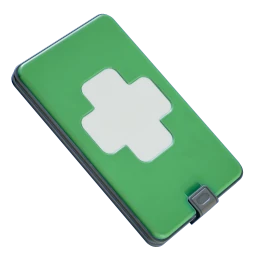
Use storage like a co-op checkpoint. Put extra Titanium, Silver, batteries, food and medkits near the route start or in a base that both players understand. If a deep route goes badly, the group can recover without rebuilding the whole kit from the shallows. This is less exciting than a revive button, but it works today.
Death handling habits that help
Call out oxygen and inventory before the route gets tense. Co-op groups often die because nobody wants to be the person who says the trip is getting messy. If one player has lower air or worse food, the route is only as safe as that player. Turn back for the weakest kit, not the most confident swimmer.
If someone dies, pause the objective. Do not turn the recovery into a second objective plus revenge scan plus resource sweep. Rebuild, open the map filter, identify the hazard, then decide whether the same route is worth another attempt. A clean reset saves more time than a heroic scramble.
What to watch in EA 1.2
The co-op update bucket is where revive support belongs alongside other social and group-flow improvements. The important thing is to check the patch notes when EA 1.2 arrives, because roadmap language can shift. If revive lands, this page should change from caution advice to role advice: who carries healing, when to go for the revive, and when to abandon the body.
Until then, groups should use the same internal links a solo player would use: oxygen upgrades, route guides, map filters and item pages. Co-op does not remove resource gates. It just lets you divide work, which is only useful if the group agrees what each player is responsible for.