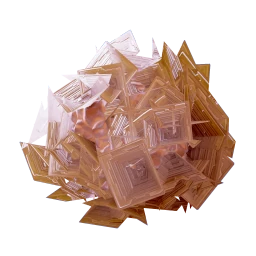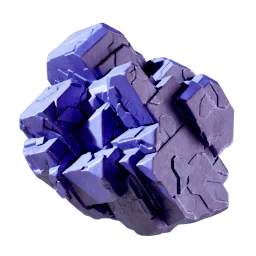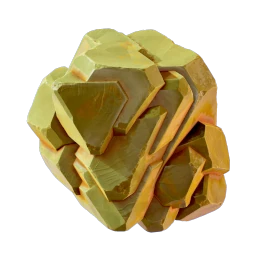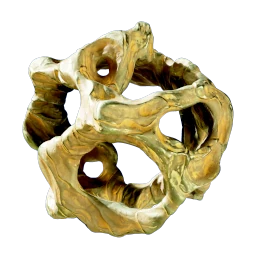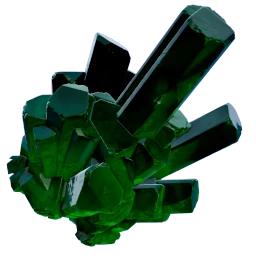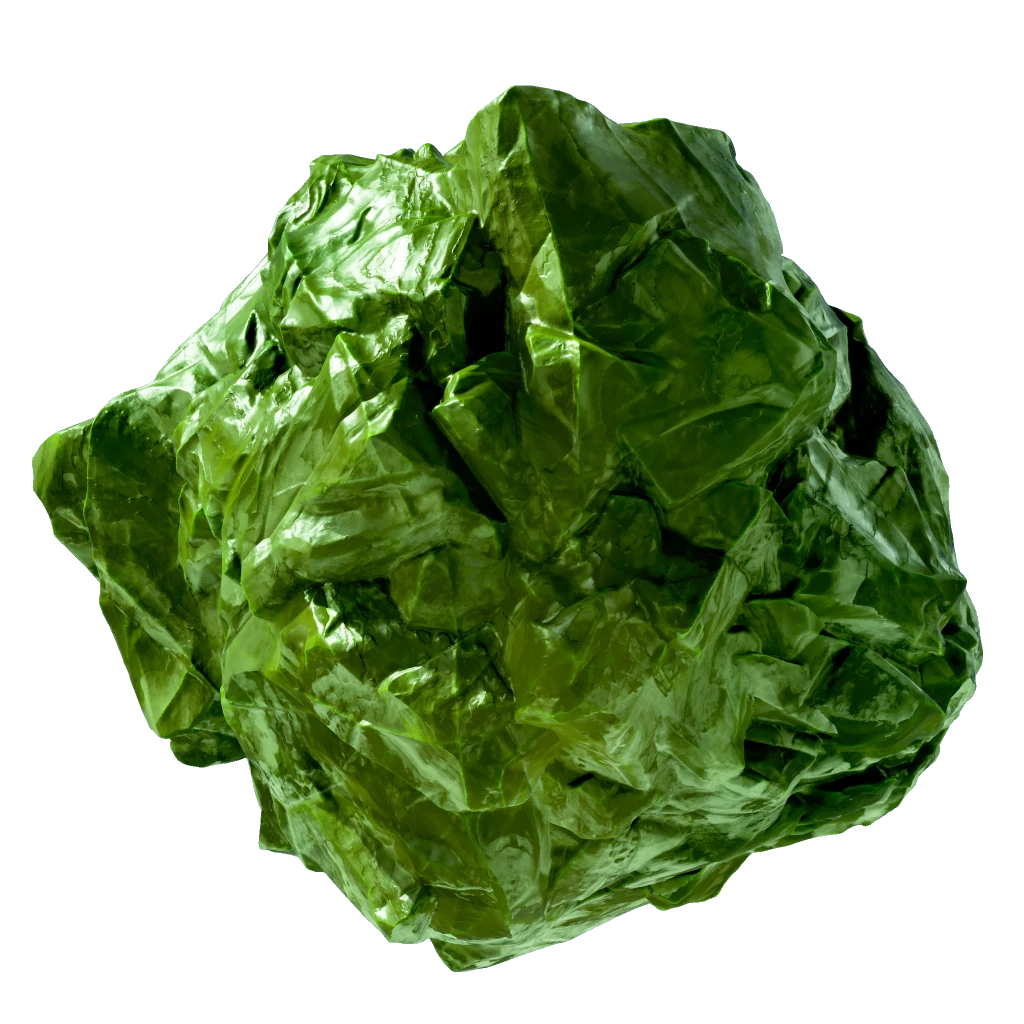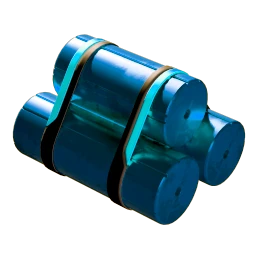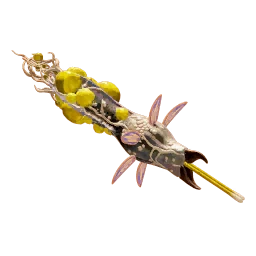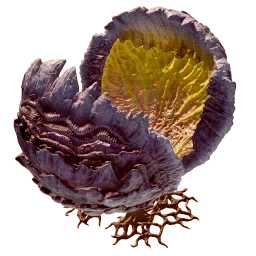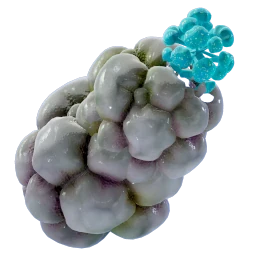
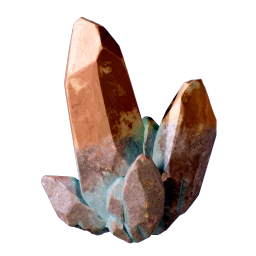


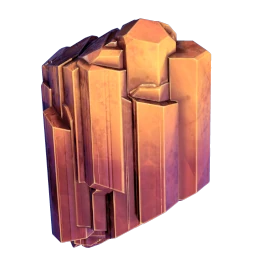
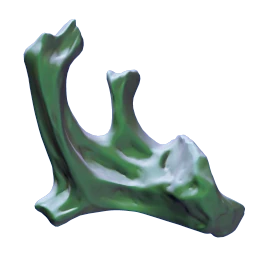
High-volume starter material for tools, repairs and early base construction.
Found in
Coral GardensShallows
Used for
Air BladderAxum SeatAxum Street LampAxum Trashcan
Subnautica 2 resource map hub for Titanium, Copper, Quartz, Silver, Lithium, Conduit Crystal and route-based gathering.
Use this Subnautica 2 resource map hub to find materials by player need: first tools, oxygen and electronics, vehicle progress, late Early Access routes and patch-sensitive materials. Open each resource page for uses, depth, route notes and source-labeled map filters.
Start from the craft or route problem you actually have, then open only the resource filters that answer that problem. This keeps the map readable and avoids treating clusters as guaranteed pickups.
These materials cover the most common resource-map searches: early tools, wiring, glass, oxygen upgrades and route blockers. Open a resource page first for recipes and source context, or jump straight to a filtered map when you already know what you need.
Common materials to collect before long dives or committed cave routes.
High-volume starter material for tools, repairs and early base construction.
Starter electronics material that quickly turns into Copper Wire and battery routes.
Glass-facing starter material with strong Coral Gardens and shallow-route value.
Early utility material for preserved food, water planning and several base-support recipes.
Early electronics resource used by Wiring Kit, oxygen and technology progression.
Reinforcement material that becomes important once tools, resonator parts and alloy chains appear.
Materials that start blocking electronics, tools, oxygen and vehicle-adjacent progress.
Reactive mineral for Repair Tool progress, heat protection and stronger acid chemistry.
Depth and vehicle-adjacent material for Plasteel, Current Ring and portable oxygen upgrades.
Mid-game electronics material for advanced wiring, thermal power and refined Gold Ingot chains.
Axum-side mineral used by Strontium, Modification Station and early Tadpole depth progress.
Advanced green mineral tied to Echo Location, Mangalloy and high-capacity oxygen crafting.
Power-facing crystal used by Advanced Battery, Bioscanner and feedback resonance gear.
Later route targets, processed materials and salvage-style entries for deeper planning.
Enamel Husks material for Enameled Glass and later reinforced crafting chains.
Mineralized Clinker entry for deep-root resonance routes and late material chains.
Axum salvage deposit for construction-flavored routes around later ruin areas.
Deep resource deposit for advanced route planning once safer navigation tools are ready.
Plant, fauna-adjacent and Bloom-zone resources that work better as planned runs.
Organic flora bulb used for glowstick-style utility crafting and early plant-route planning.
Growable food resource for base supply loops and longer return trips.
Farmable acid source for medical gel and chemistry-adjacent recipe checks.
Organic processing resource that belongs with creature-adjacent fuel and material recipes.
Plantable Freesia resource for organic crafting and future base-growing loops.
Necrolei Cyst resource for early biology chains and acid-facing recipes.
Bloom-infected sample used for hazard tracking and later cleanup-oriented resource checks.
Fauna-adjacent Bloom sample that should be routed with infected-zone caution.
Hardened Bloom sample for late hazard cleanup and dense infected material checks.
Organic Bloom material for infected-zone gathering and processing-oriented crafting checks.
Webbed Bloom material for hazard-route planning in infected or overgrown pockets.
Jump from a material to the tools, equipment and components that consume it.
A point should only be treated as exact when the marker evidence supports it.
A useful area or centroid, not a single guaranteed pickup.
Many reported points aggregated into a readable map signal.
Published or imported research that still needs site review.
Resource pages keep the detailed evidence notes. This index keeps the first screen focused on what to gather, where to start looking and which recipes a material unlocks.
Yes. Use this page as the resource hub, then open a resource-specific map filter when you need markers. It keeps recipe context and evidence labels visible before sending you to the map.
Start with Titanium, Copper, Quartz and Salt around safe shallow routes, then bank Silver and Lead before electronics and tool upgrades begin competing for materials.
Collect Titanium, Copper, Quartz and Salt first, then move into Silver and Lead once your current craft path asks for oxygen, wiring or reinforced parts.
Silver is the common early blocker because it appears in oxygen, Wiring Kit and early electronics planning.
Use shallow starter routes first, then check each resource detail page for linked biomes, route notes and map filters. Exact coordinates remain source-labeled until reviewed.
Use the detail page when you need recipe links and source context. Use the map link when you already know the resource name and want to filter nearby markers.
Organic and special materials often depend on a plant, creature or hazard route, so they are easier to plan after the basic tool loop is stable.
Clusters are aggregate research signals. They are useful for route planning, but this site keeps them separate from reviewed exact pickup coordinates.